
Ask an Expert: Spring 2025 Planting Guide
By Taun Beddes |
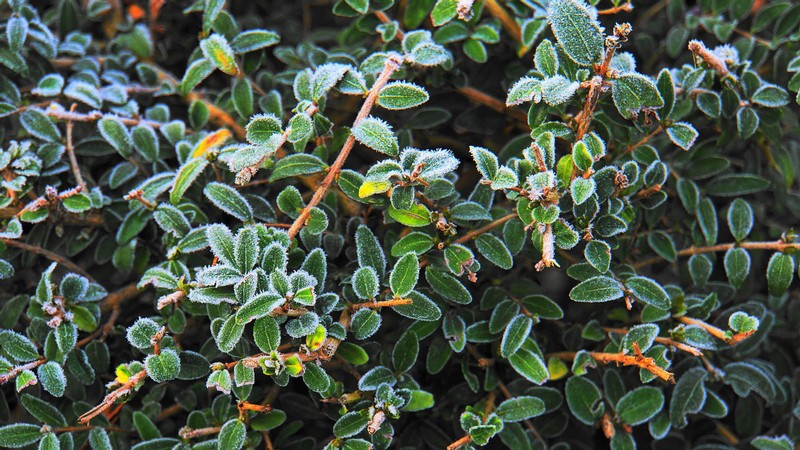
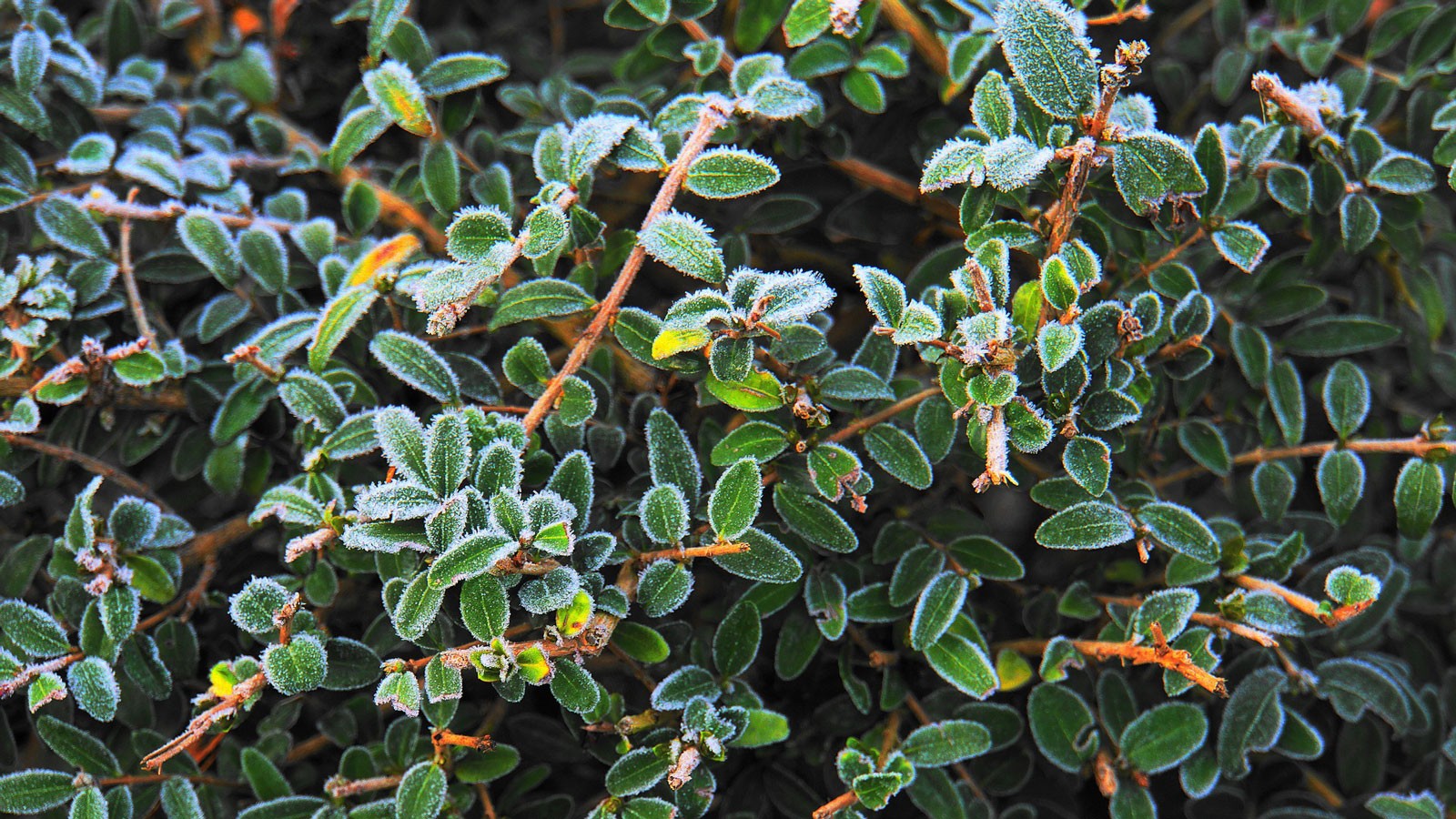
Determining when to plant a garden can be especially confusing in Utah’s unpredictable, varied climate where last-frost dates can vary by many days within just a few miles. Many experienced gardeners have planted and later lost their plants to frost.
An example of how fickle Utah’s climate can be is in Cache Valley. Frost-free days vary from an average of 113 days in Lewiston and Trenton to 158 days on the USU campus. Similar examples are common around the state.
Geographic characteristics of where you live can help in determining when to plant. When a yard is located in a populated area or on a mountain bench, it usually has a longer growing season.
Other areas located at slightly lower elevations where cold air drains and cannot escape have a shorter season. This is why local commercial orchards are generally located on benches.
Additionally, urban and suburban areas are slightly warmer than surrounding areas due to the urban heat effect. Heat from buildings and warmth generated by sunlight reflected from roads and other surfaces increases temperatures and delays frost.
It can be helpful to converse with a local farmer or experienced gardener in your area to determine what works regarding when to plant.
In addition to frost information, it is important to account for the needs of the plants. Vegetables planted locally fall into four basic categories: hardy, semi-hardy, tender and very tender. Depending on which category a plant belongs to, planting dates vary from early spring until early summer. Consider the following:
- Hardy vegetables, including asparagus, broccoli, cabbage, onions, peas and spinach, can be planted as soon as the soil is workable in early spring. This usually ranges between 45 and 60 days before the average last frost. These same vegetables can be safely planted until the average last frost date.
- Semi-hardy plants, such as beets, carrots, lettuce and potatoes, can be planted one to two weeks after the hardy group. These can be planted until the average last-frost date.
- Tender vegetables, such as celery, cucumbers, corn and most beans, should be planted on the average last-frost date.
- Very tender plants, such as squash, beans, melons, tomatoes, eggplants and peppers, should not be planted until at least a week after the average last frost. Even if frost does not occur before this time, these plants will not grow well and are more susceptible to disease until warmer weather.
If you have lost plants to frost, you are not alone, and all you can do is try again.
Average Utah Frost DatesNote that these dates are averages and can vary from year to year. | |||
Frost Dates | |||
City | Last | First | Frost-Free Days |
Alpine | May 20 | September 30 | 136 |
Blanding | May 13 | Oct. 12 | 153 |
Cedar City | May 10 | Oct. 5 | 148 |
Delta | May 17 | Sept. 28 | 134 |
Farmington | May 5 | Oct. 10 | 158 |
Fillmore | May 16 | Oct. 4 | 140 |
Huntsville | June 11 | Sept. 9 | 89 |
Kanab | May 7 | Oct. 20 | 166 |
Lake Town | June 15 | Sept. 10 | 87 |
Logan | May 14 | Sept. 25 | 135 |
Morgan | June 6 | Sept. 11 | 98 |
Moroni | June 1 | Sept. 18 | 109 |
Ogden | May 1 | Oct. 24 | 176 |
Park City | June 9 | Sept. 1 | 92 |
Price | May 12 | Oct. 7 | 148 |
Roosevelt | May 18 | Sept. 25 | 130 |
Spanish Fork | May 1 | Oct. 13 | 165 |
St. George | April 6 | Oct. 28 | 205 |
Tooele | May 7 | Oct. 14 | 159 |
Tremonton | May 3 | Oct. 10 | 160 |
For information on areas not listed, contact your local county Extension office.
WRITER
Taun Beddes
Extension Horticulturist
Extension
801-851-8465
taun.beddes@usu.edu
SHARE
TRANSLATE
Comments and questions regarding this article may be directed to the contact person listed on this page.


